
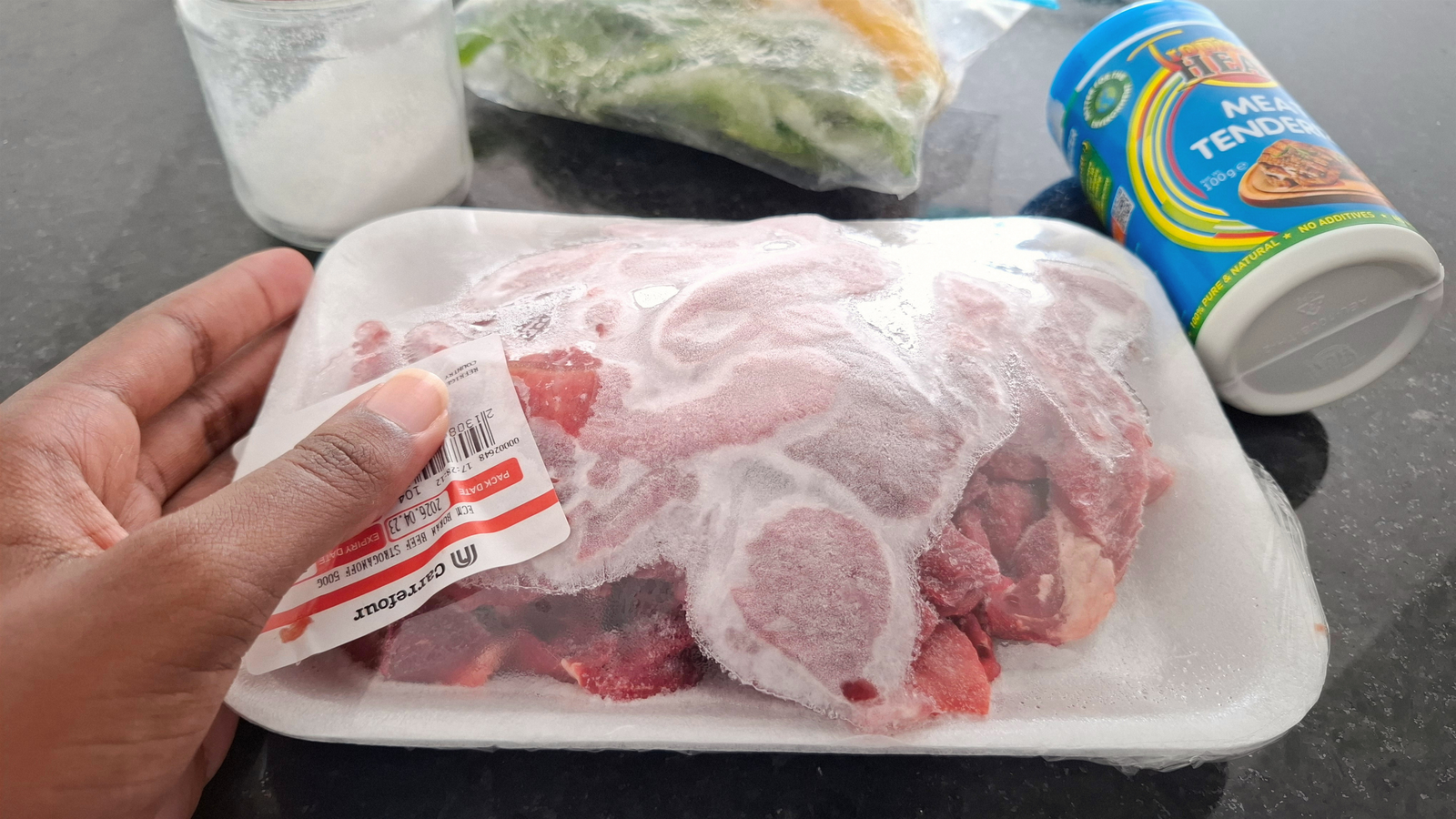
If you’ve ever followed a recipe carefully and still ended up with tough, chewy meat, it can feel confusing. Everything looks right, the timing is correct, and yet the texture doesn’t match what you expected.
In many cases, the issue isn’t your cooking.
It’s the type of meat you’re working with.
Most recipes online are written for meat that is softer, fattier, and more uniform. But the meat we commonly cook with is often free-range and more active, which means it behaves very differently in the kitchen.
Once you understand that difference, it becomes much easier to adjust your approach and get better results.
Why Meat Turns Tough
Toughness comes down to structure.
More active animals develop:
- Denser muscle fibres
- More connective tissue
- Less intramuscular fat
This makes the meat firmer and slower to break down during cooking.
So when you use methods designed for softer meat, the result can feel chewy or dry, even if you’ve done everything correctly.
What Tenderizing Actually Does
Tenderizing is simply about making the meat easier to break down.
Different methods do this in different ways:
- Some physically loosen the fibres
- Others break down proteins
- Some help the meat retain moisture
- Others rely on time and heat
Understanding these differences helps you choose what will actually work.
4 Practical Ways to Tenderize Meat
1. Mechanical Tenderizing (Breaking the Fibres Physically)
This is the most direct approach.
How to do it:
- Gently pound the meat with a mallet
- Or pierce it with a fork or tenderizer tool
What to look for:
- The meat becomes slightly more flexible
- It should not be flattened or torn
When to use it:
- Tough, firm cuts
- When you want faster cooking
Timing:
Do this just before cooking or before adding any marinade.
2. Enzymatic Tenderizing (Using Meat Tenderizer Powders)
This method works at a structural level.
What makes it work:
Look for enzymes like:
- Papain
- Bromelain
These break down the proteins that make meat firm.
How to use it:
- Lightly sprinkle over the meat
- Pierce the meat first for better absorption
- Let it sit briefly
What to look for:
- The surface softens slightly
- It should not feel slippery or paste-like
Timing:
- Thin cuts: 15–30 minutes
- Thicker cuts: up to 1 hour
Important:
Too much or too much time will make the meat overly soft.
3. Salt-Based Tenderizing (Dry Brining)
One of the simplest and most reliable methods.
How it works:
Salt draws moisture out, then allows it to reabsorb. This relaxes the fibres and improves flavour.
How to do it:
- Sprinkle salt evenly
- Let the meat rest
What to look for:
- The surface becomes wet
- Then dries slightly again
That’s when it’s ready to cook.
Timing:
- Small cuts: 30–60 minutes
- Larger cuts: 2–12 hours (refrigerated)
4. Acid-Based Tenderizing (Controlled Marinades)
Acids help break down proteins on the surface.
Common options:
- Lemon juice
- Vinegar
- Fermented milk (like mala or yoghurt)
How to use it:
- Apply a light marinade
- Let it sit for a controlled time
What to look for:
- Slight change in texture
Warning signs:
- Pale or “pre-cooked” appearance
- Firm or chalky feel
Timing:
- Thin cuts: 30 minutes – 1 hour
- Medium cuts: 1–2 hours
- Avoid long marinades with strong acids
Cooking Frozen Meat: Why It Turns Tough
Cooking meat while it’s still frozen can make it tougher.
Why this happens:
The outside cooks first while the inside is still frozen. By the time the center cooks through, the outer layers have already lost moisture and tightened.
This leads to uneven texture and dryness.
What to Do Instead
- Thaw meat fully before cooking
- Let it rest slightly so the temperature evens out
What to Look For
- No icy or hard center
- Even texture throughout
- Minimal excess liquid
Slow Cooking: When Time Does the Work
Sometimes the solution isn’t preparation, it’s how you cook the meat.
How it works:
Slow cooking allows connective tissue to break down gradually, making the meat softer over time.
Best methods:
- Stewing
- Braising
- Slow simmering
What to look for:
- Meat that becomes tender as it cooks
- Easily pulls apart when ready
Tough cuts often need time more than anything else.
Choosing the Right Method
You don’t need to use everything at once.
Instead, think about:
- The toughness of the cut
- The cooking method
- The time you have
Simple guide:
- Quick meals → mechanical + light enzymatic
- Everyday cooking → salt-based
- Stews → slow cooking + optional pre-salting
- Marinated dishes → controlled acid use
A Simpler Way to Think About It
Instead of asking, “Why is my meat tough?”
Ask:
“What does this cut need before I cook it?”
That shift makes all the difference.
Final Thoughts
The meat you cook with isn’t the problem.
It just behaves differently.
Once you understand that and adjust your approach, getting tender, enjoyable results becomes much more consistent, and much less frustrating.
Start simple, pay attention to the signs, and build from there.