
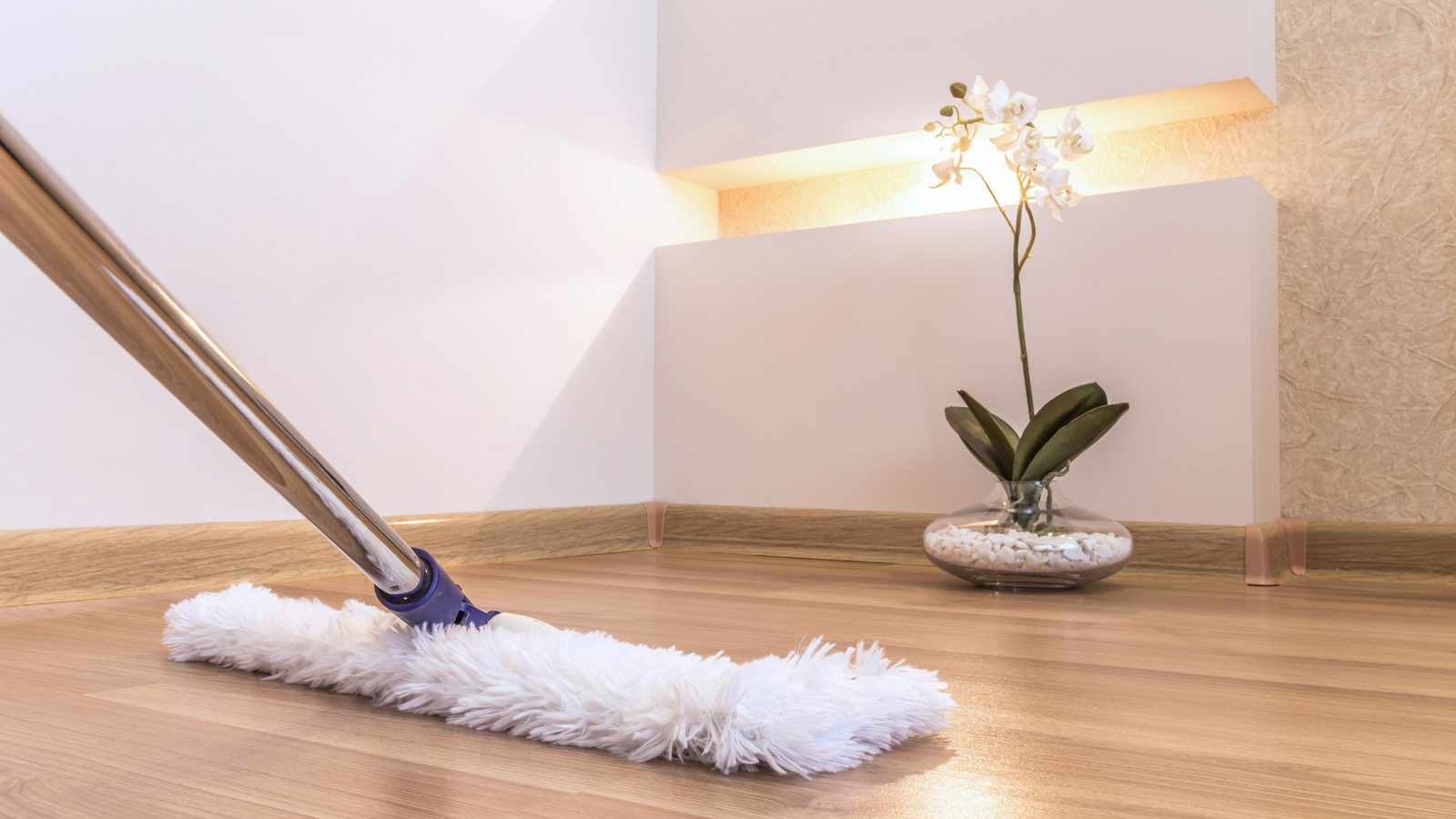
You finish mopping, wait for the floor to dry, and still something feels off. The surface looks dull, feels tacky underfoot, or seems to attract dust again almost immediately. It can be frustrating, especially when you know the floor has just been cleaned.
In many homes, this isn’t a cleaning issue at all. It’s a residue issue.
Most of the time, floors don’t look or feel unclean because they’re dirty. They look that way because detergent has been left behind on the surface. Once you understand how that happens, cleaning becomes much simpler and far more effective.
The Real Reason Floors Don’t Feel Clean
Detergent is designed to lift dirt so it can be carried away with water. But when too much detergent is used, or when it isn’t rinsed away properly, some of it stays on the floor after drying.
That leftover residue:
- Creates a slightly sticky or slippery feel
- Traps dust and fine particles
- Dulls the natural finish of the surface
- Makes floors look dirty again very quickly
This is why mopping more often doesn’t solve the problem. In many cases, it actually makes it worse.
Why Different Floor Types Show Buildup Differently
All hard floors can hold onto detergent residue, but each surface reacts to it in its own way. Knowing what to look for helps you adjust how you clean.
Below is a breakdown of common floor types and how detergent buildup usually shows up on each.
Ceramic and Porcelain Tiles
Tiles are common in kitchens, bathrooms, and high traffic areas. When too much detergent is used, the signs are usually easy to spot.
You might notice:
- A slippery feeling once the floor dries
- A squeaky sound when walking
- A faint film near grout lines
This happens because soap sits on the surface instead of being fully rinsed away.
How to clean tiles more effectively:
- Use a mild, low-foaming detergent
- Stick to warm water rather than hot
- Wring your mop out thoroughly before mopping
- Rinse occasionally with clean water to remove residue
Tiles don’t need strong cleaners to stay clean. Consistency and dilution matter more than strength.
Terrazzo Floors
Terrazzo is more porous than tile, which means it holds onto residue more easily. When detergent builds up, terrazzo tends to lose its soft sheen.
Common signs include:
- A chalky or cloudy appearance
- Dull patches that don’t improve with mopping
How to clean terrazzo gently:
- Use a neutral, non-acidic detergent
- Dilute it heavily with water
- Mop gently rather than scrubbing
- Avoid harsh or abrasive cleaners
With terrazzo, less really is more. Gentle cleaning helps preserve the finish over time.
Cement Screed and Polished Concrete
Cement-based floors often show detergent buildup through uneven drying rather than texture.
You may notice:
- Patchy or uneven colour once dry
- Darker areas where residue has settled
This usually happens when detergent and excess water sit on the surface instead of evaporating evenly.
How to clean cement and polished concrete:
- Rely mostly on plain water for routine cleaning
- Use a small amount of mild detergent only when needed
- Avoid repeated scrubbing
- Use a microfiber mop to control moisture
Keeping water and detergent to a minimum helps maintain an even finish.
Vinyl and Laminate Floors
Vinyl and laminate floors react very quickly to detergent buildup. Even small amounts of residue can change how the floor feels.
Signs to watch for:
- A tacky or sticky surface
- Dust clinging to the floor soon after cleaning
- A slightly dull appearance
Because these floors are sealed, residue sits directly on top instead of soaking in.
How to clean vinyl and laminate floors:
- Use a pH-neutral cleaner
- Dilute it well with water
- Mop with a barely damp microfiber mop
- Never leave water sitting on the surface
Keeping moisture and product levels low is key here.
The Principle That Applies to Every Floor
Across all floor types, the underlying issue is the same. When detergent is left behind, it acts like a magnet for dust and dirt.
The goal of mopping is not to coat the floor with cleaner. It’s to lift dirt and remove it completely.
Once you shift your focus from stronger products to better rinsing and lighter application, floors stay clean for longer and feel noticeably better underfoot.
Small Changes That Make a Big Difference
You don’t need to replace all your cleaning products to fix this. A few simple adjustments are usually enough:
- Use less detergent than recommended
- Wring mops out thoroughly
- Rinse floors occasionally with clean water
- Choose gentle, low-foaming cleaners
These small habits prevent buildup before it starts.
Final Thoughts
If your floors never seem to stay clean, it’s worth looking at how much detergent you’re using rather than how often you’re cleaning.
Understanding how residue behaves on different surfaces makes floor care feel less frustrating and far more manageable. With a lighter hand and a bit more awareness, clean floors become easier to maintain and more comfortable to live with.
Sometimes, the simplest change makes the biggest difference.